Skip to content
Rodage. Français
Servicing

Classic car servicing near Lille

A classic is not serviced like a modern car. It is adjusted, it is listened to, and it is followed over time.

A modern garage plugs in a diagnostic tool and reads a code. On a car from the sixties or seventies there is no code: there is a valve clearance, an ignition advance, a float level in a carburettor. That takes time and familiarity with the model. That is the whole trade.

We look after cars that are genuinely used, the Sunday ones as much as the everyday ones. At every visit the logbook is filled in and you leave knowing what was done and what to keep an eye on.

We look for original parts where they still exist, and we tell you when a modern equivalent does the job better. On some rebuilds the modern part is simply more reliable, and hiding that would help nobody.
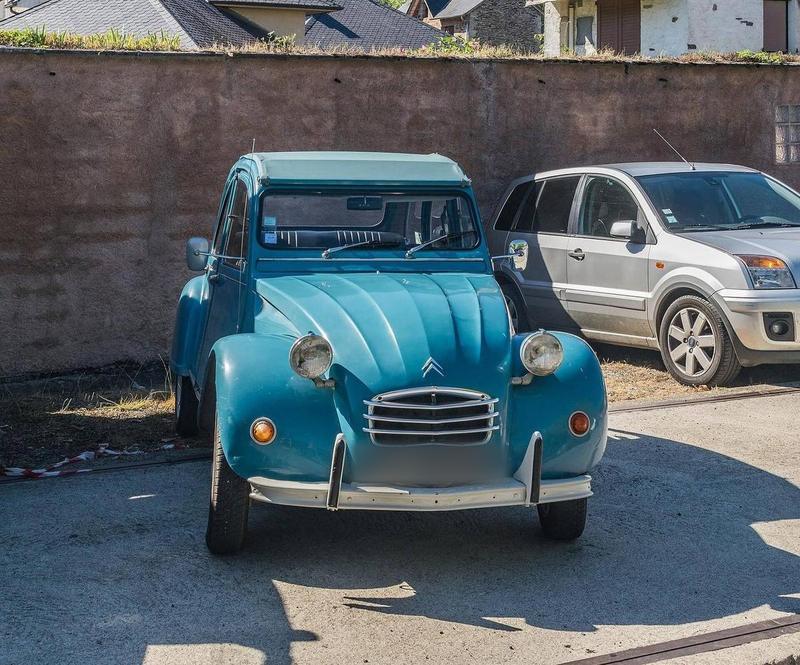
Citroën 2CV6 serviced at the Rodage workshop near Lille
What we offer

What we do at every visit

Service

The annual service

  • Engine oil change, air, oil and fuel filters
  • Gearbox, axle and steering levels
  • Greasing of the points specified by the maker
  • Check of hoses, belts and mountings
  • Full report on leaks, with photographs
Tuning

Valves, ignition, carburation

  • Valve clearances reset to the maker's figures
  • Points gap or electronic ignition setting
  • Ignition timing set with a strobe
  • Mixture and idle set on the bench
  • Compressions measured and recorded in the logbook
MOT

Roadworthiness test preparation

  • Full pre-test check before the appointment
  • Brakes, geometry and suspension put right
  • Lighting and signalling adjusted
  • Emissions set up where applicable
  • No retest needed, that is the whole point
Winter

Winter storage and spring recommissioning

  • Preparation before storage, fuel and battery
  • Covered storage available at the workshop
  • Spring recommissioning, brakes and fluid levels
  • Road test before the car goes back to you
Registration

Historic vehicle registration

We help you put together a French historic vehicle registration file: the FFVE certificate, the documents to gather, and what historic status changes for you, for better and for worse.

Logbook

A logbook kept line by line

Every visit is recorded: date, mileage, work done, parts fitted, invoices. That is what makes a classic worth something on the day you sell it, far more than the figure on the odometer.

Frequently asked questions

Servicing a classic, in practice

How often should a classic car be serviced?
Once a year at least, even if the car covers few miles. On a classic it is long periods of standing that do the damage, not mileage: hoses harden, brakes seize, petrol goes stale.
Does a classic have to pass a roadworthiness test?
In France, yes, with relaxed rules beyond 30 years, and every five years for vehicles on historic registration. We carry out the pre-test check beforehand so that no retest is needed.
Do you take cars that no longer run at all?
Yes. A car that has stood for years is really a recommissioning job, which we cover on the restoration page. It can arrive on a trailer.
Do you work on nineties youngtimers?
Yes, it is half of what we do: BMW Z3, Mazda MX-5, Mercedes SLK, Audi TT and the coupés of the same period.

A classic sitting in a garage somewhere?

Tell us the model, the year and what is wrong with it. We reply within 48 hours.